The Ultimate Gluten-Free Baking Calendar: Cookies, Breads, and Treats by Season
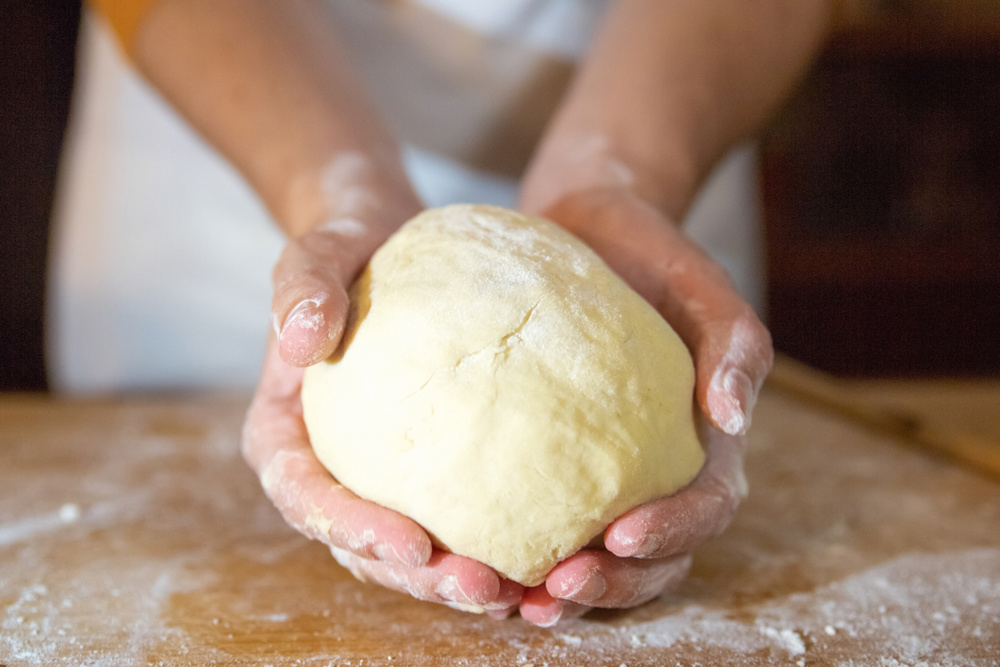
Gluten-free baking gets a bad reputation for being “fussy,” but once you understand the rhythm of it, it’s honestly one of the most satisfying things to do year-round. The secret isn’t chasing a hundred specialty flours—it’s building a small, reliable toolkit, then rotating seasonal flavors and textures so your baking always feels fresh.
Think of this as a gluten-free baking calendar you can follow like a tradition: light, bright bakes in spring; portable treats in summer; cozy spice in fall; and holiday classics in winter. Each season has a short list of go-to recipes, plus one key technique that keeps gluten-free bakes tender instead of dry or gummy.
Gluten-Free Almond Flour: Your Year-Round Foundation
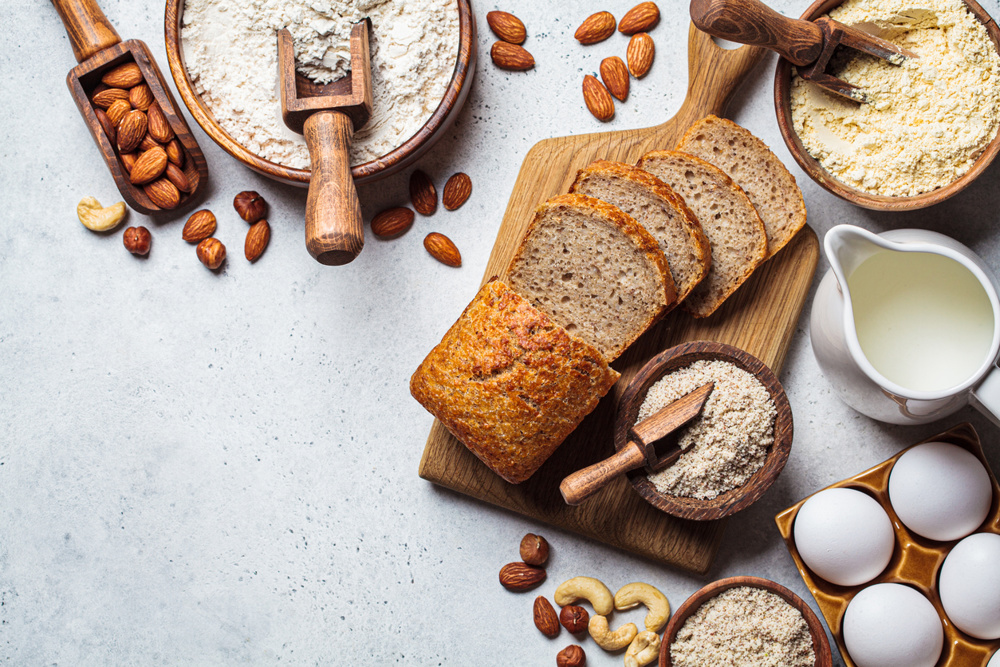
When you're building a gluten-free pantry, almond flour stands out as the most versatile and nutritious foundation you'll need year-round. This nutrient dense baking staple delivers exceptional protein, fiber, and healthy fats while supporting your blood sugar management with its low glycemic index.
You'll benefit from its remarkable magnesium content, which helps regulate glucose levels—particularly valuable if you're managing diabetes or insulin sensitivity. The heart healthy versatility of almond flour extends beyond nutrition. You'll achieve moist, tender textures in cakes and brownies thanks to its natural fat content, while its subtle nutty flavor enhances everything from delicate macarons to hearty breads.
Whether you're replacing wheat flour at a 1:1 ratio or using it as breading for proteins, almond flour adapts seamlessly across seasonal recipes throughout your baking calendar. As a completely gluten-free alternative, it provides crucial relief for those managing celiac disease and gluten intolerance while improving digestive functions.
Build your own meal planning calendar to make weekly cooking and grocery shopping easier.
Converting Traditional Recipes to Gluten-Free
While traditional wheat-based recipes rely on gluten's unique binding properties, you'll discover that converting your favorite baked goods to gluten-free versions requires strategic adjustments rather than simple flour swaps. Start with flour blend ratios using 120 grams of gluten-free blend per cup, combining all-purpose gluten-free flour with nutty varieties like teff or millet for finer texture.
Master ingredient substitution methods by adding 1/4 teaspoon xanthan gum per cup unless your blend already contains gums. Replace eggs with flaxseed slurry (1/2 teaspoon meal plus 1 teaspoon boiling water) and increase leavening agents—typically 4 1/2 teaspoons baking powder for egg-free conversions.
For bread recipes like scones and bagels, whole psyllium husk gel creates the kneadable dough structure needed to trap air and prevent dense results. You'll often need to reduce liquids by half compared to original recipes to prevent gummy textures in your converted baked goods.
Spring Almond Cakes and Fresh Fruit Desserts
Spring baking is about citrus, berries, and “light but still cozy” textures. This is almond flour’s dream season because it gives cakes that soft, tender crumb that pairs perfectly with fruit.
Your Spring Bake List
1) Lemon-Almond Snacking Cake (weekday-friendly): A simple loaf or square cake with lemon zest and almond flour for softness. Finish with powdered sugar or a light glaze.
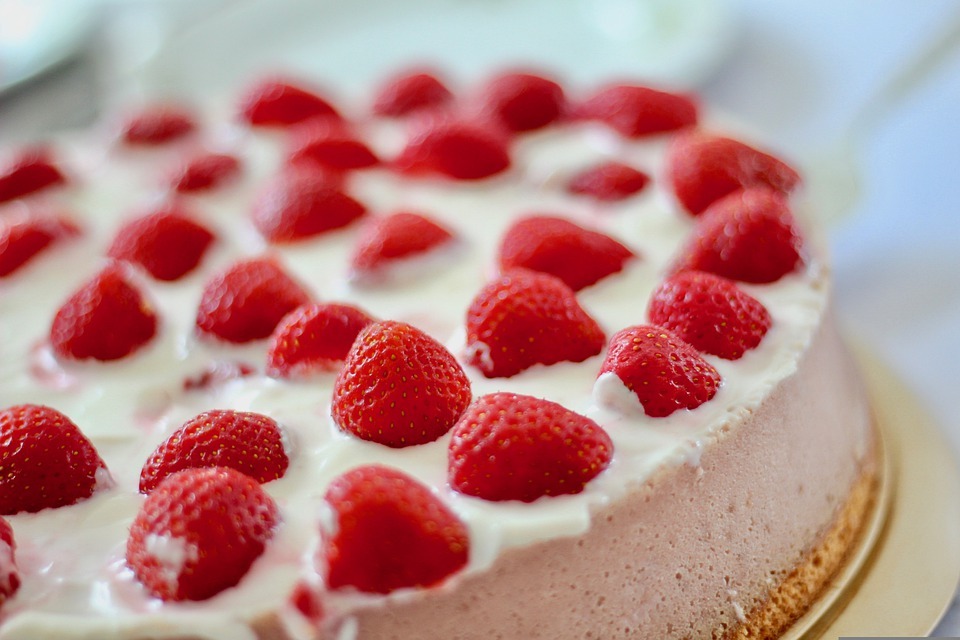
2) Strawberry Shortcake Biscuits (weekend project): Use your 1:1 blend for tender biscuits. Split, layer with berries and whipped cream. The key is cold butter and minimal mixing.
3) Blueberry Muffins with Crunchy Sugar Tops: Muffins are one of the best “GF wins.” Use a blend, rest the batter, and don’t overbake.
4) Carrot Cake Bars with Cream Cheese Frosting: Moist by design, forgiving, and perfect for spring gatherings.
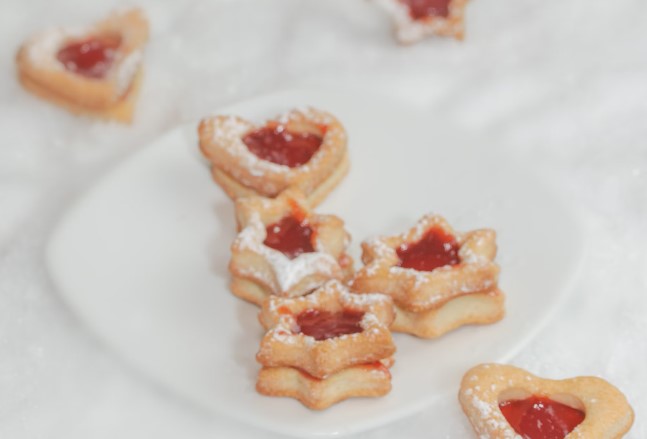
5) Jam Thumbprint Cookies: Simple, pretty, and easy to customize (raspberry in spring is unbeatable).
Spring technique tip: Citrus zest = instant “bakery flavor.” Add it early, rub it into sugar, and your whole bake tastes brighter without extra effort.
These cakes offer heart-healthy monounsaturated fats from almond meal and olive oil, making them a more nutritious dessert choice.
S'mores Cookies, Banana Bread, and Dairy-Free Summer Treats
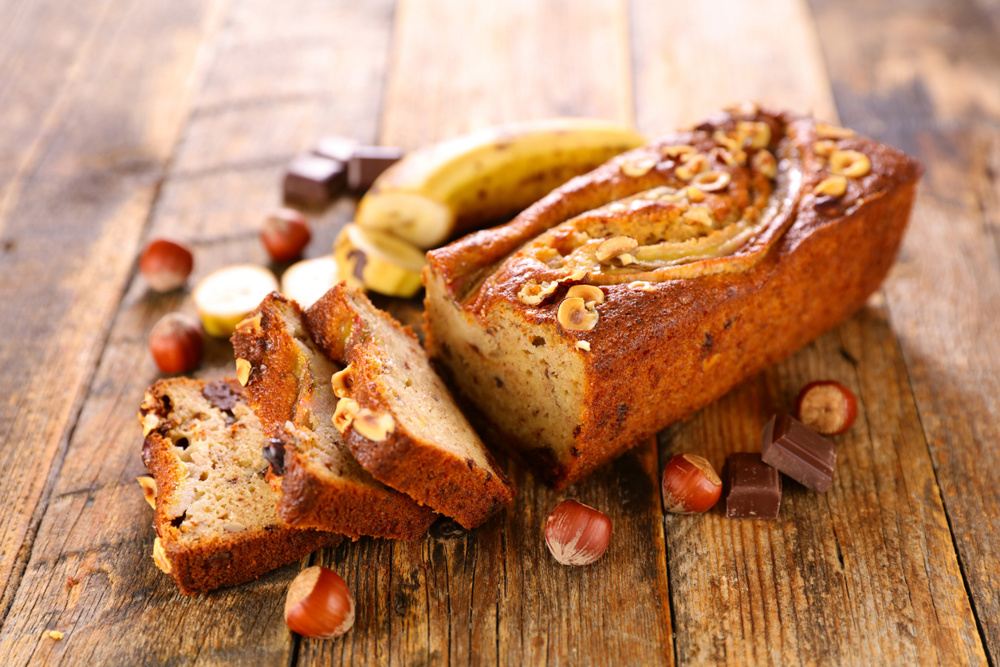
Summer transforms gluten-free baking into an opportunity for lighter, portable treats that travel well to picnics and outdoor gatherings. You'll discover s'mores cookies that capture campfire nostalgia without requiring flames, while gluten free graham cracker recipes solve the crumbling issues you've experienced with store-bought versions. These homemade crackers provide the structural foundation your s'mores assembly needs.
For dairy-conscious bakers, dairy free chocolate substitutions open possibilities like raw-vegan tarts, coconut macaroons, and dark chocolate truffles. Fruit-forward options including raspberry panna cotta, mango ice cream, and strawberry coconut treats accommodate dietary restrictions while celebrating seasonal produce. Stone fruit desserts like gluten free peach galette showcase summer's bounty with flaky, rustic crusts that highlight the natural sweetness of the fruit.
Early Fall Apple Desserts: Donuts, Pies, and Crumb Cakes
When September arrives with its first crisp mornings, apple-based desserts shift from summer's light fruit treatments to warming, spice-laden preparations that showcase gluten-free baking's adaptability. You'll master three essential formats: cobblers with biscuit toppings, crisps with oat crumbles, and portable pie bars.
Pre-bake your apple filling for cobblers, then drop sticky biscuit dough across the surface for rustic golden-brown results. Apple crisps combine maple syrup sweeteners with cinnamon, allspice, and nutmeg, topped with almond meal-enhanced oat crumble.
Pie bars feature buttery shortbread bases bracketing spiced fillings made from Granny Smith or Pink Lady apples. The cobbler topping creates a distinctive cobbled appearance that differentiates it from the smooth, even layer of crisp toppings. Finish with caramel drizzle toppings, vanilla ice cream, or pomegranate arils for seasonal presentation.
Pumpkin Season: Spiced Breads, Donuts, and Chocolate Variations
October's arrival signals a shift from apple orchards to pumpkin patches, where squash-based baking dominates gluten-free kitchens through Thanksgiving. You'll combine 190-500 grams of gluten-free flour blend (preferably with xanthan gum) with 220-336 grams of pumpkin puree for perfectly moist breads.
Season your batters with 2 teaspoons cinnamon plus ½ teaspoon each of nutmeg and ginger, or simplify using pre-mixed pumpkin pie spice. Balance 200-326 grams of sugar with 1 teaspoon baking soda for proper lift. Fold in 170 grams chopped walnuts for nutty pumpkin cookies or ⅔ cup dark chocolate chips for decadent variations. For optimal texture development, allow your batter to rest for 30 minutes before transferring to prepared pans.
Winter Holiday Baking: Peppermint, Gingerbread, and Cranberry
As temperatures drop and December approaches, gluten-free bakers shift their focus to wintertime flavors that define the season. Peppermint's cooling bite, gingerbread's warming spices, and cranberry's tart brightness. You'll find peppermint and chocolate creating what bakers call "a match made in Christmas heaven" through crushed candy cane cookies, chocolate-dipped meringues, and festive cupcakes.
Gingerbread variations range from crisp-edged cookies perfect for decorating to tender sour cream cakes and thumbprint cookies with eggnog ganache. Cranberry desserts bring essential tartness to your holiday table presentation, from cinnamon streusel coffee cakes to dairy-free fluff combining pomegranate seeds and marshmallows. You can also prepare artisanal cranberry spreads for cheese crostini appetizers. Consider making candied orange rind to add a burst of citrus to your holiday baking or to include in festive gift boxes.
No-Bake Gluten-Free Desserts for Any Season
Sometimes you simply don't want to turn on the oven—whether it's sweltering August heat, a broken appliance, or you're seeking desserts that require minimal time and effort. No-bake gluten-free treats deliver impressive results without heat, making them perfect year-round solutions.
Popular No-Bake Options:
- No bake cheesecake variations include Raspberry White Chocolate Cheesecake (fresh or frozen berries), Raffaello Cheesecake (coconut-almond flavor, 30 minutes), and Passion Fruit & White Chocolate Cheesecake Tart with tropical syrup topping
- No bake pie & tart selections feature Banoffee Pie, Vegan Gluten-Free S'Mores Pie, and Grasshopper (Mint Oreo) Pie storing up to 4 days
- Simple bars like 4-ingredient Peanut Butter Bars (30 minutes total). For elegant individual portions, try Milk Chocolate Raspberry Cheesecake Bars drizzled with chocolate and topped with fresh raspberries.
- Quick popsicles including 2-ingredient options ready in 15 minutes
Year-Round Chocolate Desserts for Every Occasion
Chocolate desserts transcend seasonal boundaries, offering reliable crowd-pleasers whether you're celebrating a winter birthday, hosting a summer gathering, or simply craving something decadent on a Tuesday evening. You'll find options ranging from elegant flourless chocolate cakes with velvety cream fillings to quick chocolate mug cakes ready in under three minutes.
For entertaining, chocolate lava cake pots with melting centers impress guests, while dairy free options like mocha mousse made with coconut milk satisfy various dietary needs. Paleo friendly versions include four-ingredient flourless cakes and dark chocolate nice cream that's refined sugar-free. Kids especially love chocolate bliss energy bites sweetened with dates, which work equally well as lunchbox desserts or after-school snacks.
Conclusion
A gluten-free baking calendar works best when it’s not rigid—it’s rhythmic. You keep a couple foundational flours, learn a few texture rules, and let the seasons choose the flavors. Over time, you stop feeling like you’re “missing out” on classic baking.
Instead, you begin to realize something better: gluten-free baking has its own strengths—tender cakes, chewy cookies, bold flavors, and creative structures. Start with one season. Pick three bakes you’re excited about. Repeat what works. Save what becomes tradition, and by the end of the year, you won’t just have recipes—you’ll have rituals.