Bible Food Trivia: Can You Name the 7 Foods of the Bible?
If you’ve ever heard the Bible describe Israel as “a land flowing with milk and honey,” you know the vibe: abundance, provision, a table that finally feels full. But Deuteronomy gets even more specific. In one verse, it names seven foods that defined the Promised Land—wheat, barley, grapes, figs, pomegranates, olive oil, and honey.
At first glance, it reads like an ancient grocery list. In reality, it’s a blueprint for what blessing looked like in everyday life: bread you can bake, fruit you can harvest, oil you can store, sweetness you can share. These weren’t just staples. They were symbols of stability, worship, and community—proof that survival had turned into a settled life. Here’s what the seven foods are, what they meant then, and why they still matter now.
The 7 Foods of the Bible and What They Represent
The Bible's seven sacred foods—wheat, barley, grapes, figs, pomegranates, olives, and dates—aren't just ancient dietary staples but divinely appointed sources of both physical vitality and spiritual symbolism.
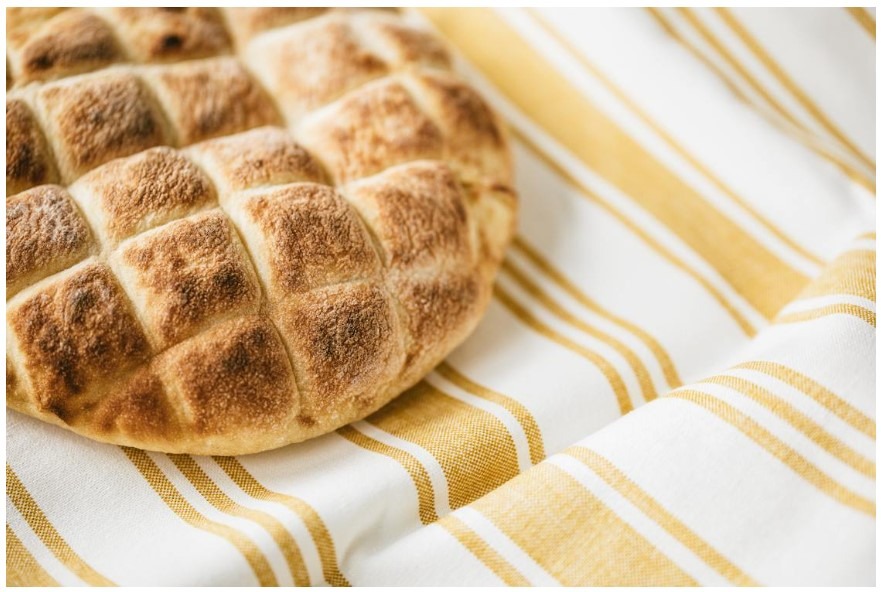
- Wheat — symbolizes “bread” and provision; in Christian interpretation, often linked to Christ as the living Bread.
- Barley — associated with strength, resilience, and everyday sustenance.
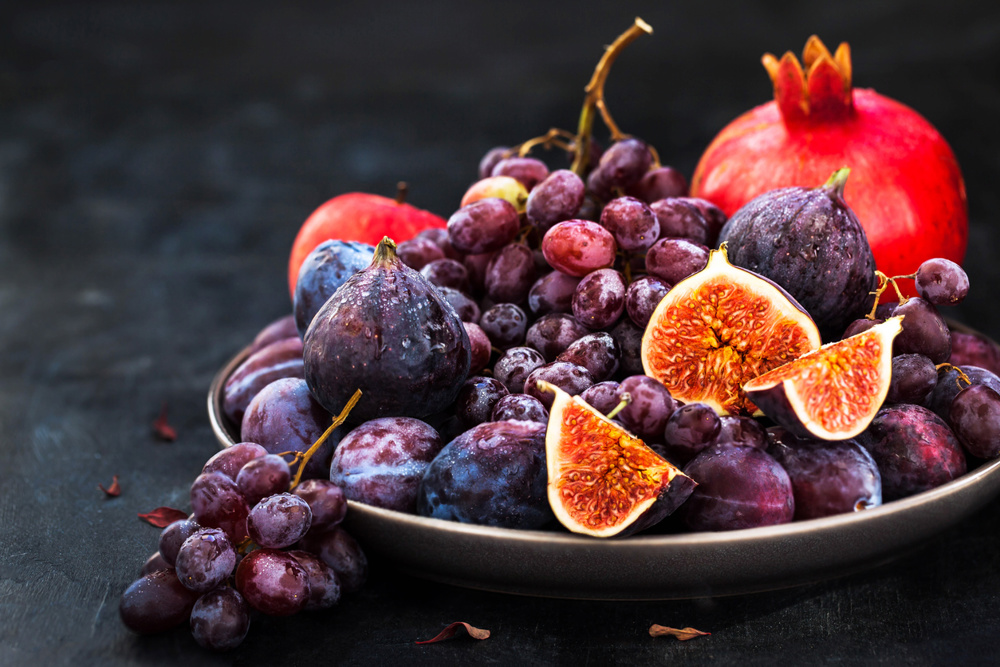
- Grapes— represent covenant, joy, and celebration (often tied to wine and harvest).
- Figs — symbolize nourishment, peace, and settled security.
- Pomegranates — represent abundance and blessing (often linked to honor/royal or sacred imagery because of their many seeds).
- Olives / Olive oil — symbolize anointing, healing, light, and consecration.
- Honey (often understood as date honey/syrup) — symbolizes sweetness, divine provision, and “more than enough” abundance.
These foods also happen to be nutrient-dense. Whole grains like wheat and barley provide fiber and key minerals; grapes and pomegranates are rich in protective plant compounds. Figs offer fiber and natural sweetness; olive oil is a heart-healthy fat with anti-inflammatory properties. Dates were used to make honey, serving as the perfect sweetener for ancient Israelites. Together, they formed Israel's nutritional foundation.
Why These Foods Were Sacred to Ancient Israel
Sacred foods in ancient Israel served purposes far beyond mere nutrition—they functioned as tangible expressions of divine covenant and spiritual identity. The dietary significance of ancient Israelite foods established clear boundaries between God's people and surrounding nations. When you followed kashrut laws, you weren't simply choosing meals—you were affirming your covenant relationship daily.
The spiritual symbolism of biblical nourishment transformed ordinary eating into worship. Pomegranates adorning priestly robes connected temple service to agricultural blessings. Olive oil illuminated homes while consecrating priests and kings. Each meal at your table mirrored altar sacrifices, creating inseparable links between physical sustenance and spiritual devotion.
These seven covenant foods represented God's prophetic promises fulfilled, retelling the Exodus story through every harvest and feast. The dining table served as more than a place to eat, becoming a space where life, faith, and community unfolded together in sacred fellowship.
Important Clarification: Honey Is in the Verse, Dates Are the Debate
Deuteronomy 8:8 says honey—full stop. That’s the seventh item. But you’ll often see modern lists replace honey with dates, and it’s not because people can’t read. It’s because “honey” in the ancient Near East can include more than one sweet thing.
Many scholars and Jewish sources note that “honey” could refer to date honey (a thick date syrup) as well as bee honey. Date syrup makes sense agriculturally: dates are a major regional crop, and date honey was a common, durable sweetener. So if you’ve seen “dates” show up on Seven Foods lists, it’s usually a shorthand for “date honey.” The clean way to write it is: honey (often understood as date honey).
Wheat and Barley: Grains That Built a Nation
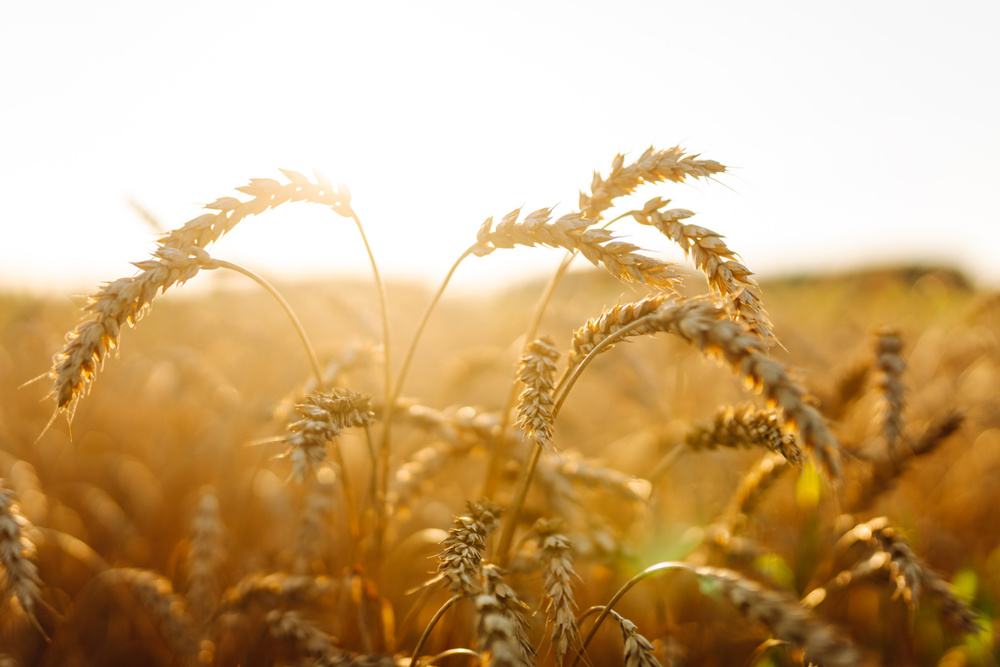
When barley sprouted each spring across Israel's hillsides, it announced more than a harvest season—it signaled survival itself for an entire nation. You'd find barley planted at fall's first rain, broadcast into unplowed ground without expensive preparation. This hardy grain became the "grain of the poor," feeding ordinary Israelites through its disease-resistant reliability.
The distinct social status of wheat and barley created clear divisions—while wheat's lighter bread graced wealthy tables, barley sustained common households. Bread made from barley provided 50-70% of calories for the ordinary person until the end of the Israelite monarchy.
Yet the religious significance of barley in Jewish tradition elevated this humble grain: it formed the Omer offering at Passover and filled the loaves Jesus multiplied for five thousand. Both grains shaped Israel's agricultural calendar, but barley's resilience made it foundational to national survival.
Image: Pomegranate: https://www.istockphoto.com/photo/glass-bottle-of-pomegranate-sour-sauce-with-fresh-ripe-whole-and-split-pomegranate-gm2191499939-609817004?searchscope=image%2Cfilm (Alt-txt: Glass bottle of pomegranate sour sauce with fresh ripe whole and split pomegranate fruit (Turkish name; nar eksisi))
Grapes, Figs, and Pomegranates: The Fruit of Blessing
While grains formed Israel's foundation, fruits revealed God's extravagance. You'll find grapes symbolizing harmony and abundance throughout Scripture, most dramatically when two spies carried a single cluster from Eshkol Valley on a pole.
Figs appear first in Eden and represent eternal life when paired with grapes in prophecies of peace. Pomegranates hold the highest honor—mentioned fifteen times and uniquely connected to divine presence through the high priest's garment and Solomon's Temple pillars. Recent excavations at Shiloh uncovered a ceramic pomegranate near an East-West wall dating to the Iron Age I tabernacle period.
These three fruits, part of the Seven Species in Deuteronomy 8:8, weren't merely food. They formed Israel's "divine pantry," nourishing bodies while prophetically pointing to God's covenant promises. Each fruit carried spiritual weight: grapes meant harmony, figs symbolized eternity, pomegranates represented glory.
Olives and Dates: Biblical Oil and Honey
Standing on the Mount of Olives, you're surrounded by the trees that defined Israel's spiritual and economic life. The ancient symbolism of the olive permeated everything—Jehovah called Israel "a green olive tree, fair, and of goodly fruit." When October arrived, you'd witness families beating trees with sticks, collecting fruit that would become sacred oil.
The ceremonial uses of olive oil were extensive:
- Kings and high priests received anointing with oil following God's sacred recipe given to Moses
- Temple practices required oil offerings before anyone could consume new olives
- Torch lighting ceremonies announcing new months utilized olive oil exclusively
- The Essenes celebrated their oil firstfruits festival fourteen weeks after Pentecost
Dates joined olives as priority foods requiring special blessings—both symbolizing God's promised abundance. The production process required patience, as olive trees do not mature quickly, demanding careful cultivation over many years before yielding their precious fruit.
What These Ancient Foods Do for Your Health Today
Many of the foods highlighted in Scripture are also naturally nutrient-dense, which is part of why they’ve remained staples for centuries. Honey contains antioxidants and has long been valued for its antimicrobial qualities. Figs bring fiber and minerals that support digestion and overall heart health, while barley is especially rich in fiber that can help with steadier blood sugar and cholesterol levels.
Fruits like pomegranates and grapes provide plant compounds linked to antioxidant and anti-inflammatory effects, and dates (or date honey) provide a natural energy boost while delivering essential vitamins and minerals that support digestive health. None of these foods are “magic cures,” but together they reflect a practical, whole-food pattern—simple ingredients that nourish, satisfy, and support the body in ways modern nutrition still recognizes.
Put your food knowledge to the test with more fun kitchen trivia!
How to Eat the Seven Foods in Modern Meals
Bringing biblical foods into your kitchen doesn't require historical reenactment or specialized ingredients—it demands simple adjustments to meals you're already preparing. You'll transform wheat and barley into seasonal grain-based salads with olive oil vinaigrettes, dried figs, and pomegranate seeds. Honey sweetens everything from roasted lamb to kefir beverages, while dates replace refined sugar in baked goods.
Incorporating ancient spice blends into modern preparations:
- Brush pita bread with olive oil before toasting for appetizer bases
- Mix barley or wheat couscous with grapes, figs, and honey-lemon dressing
- Drizzle pomegranate syrup over yogurt with chopped dates
- Blend honey into marinades with turmeric, allspice, and cloves for roasted proteins
These foundational ingredients adapt seamlessly to contemporary cooking methods while maintaining their historical significance. When combined together, whole grains and legumes create a nutritional profile equivalent to meat, just as they sustained ancient populations on approximately 1600 calories daily.
Conclusion
Deuteronomy 8:8 isn’t prescribing a diet. It’s describing a life. Wheat and barley mean you’re no longer scraping by. The most powerful thing about the Seven Foods isn’t that they’re ancient. It’s that they’re still readable: a blueprint for stability in a world that loves extremes. So if you ever wanted a piece of Scripture you can taste, this is it. Seven foods, one message: you were made for more than scarcity—eat like you believe that.